


Sri Indrawatiningsih and the Evolving Role of Education Leadership in Human Capital Development
Education Leadership as a Global Driver of Workforce Transformation
The global education sector is undergoing rapid transformation driven by technological advancement, shifting labor market demands, and the increasing importance of lifelong learning. Institutions are now expected to play a more direct role in shaping future-ready human capital.
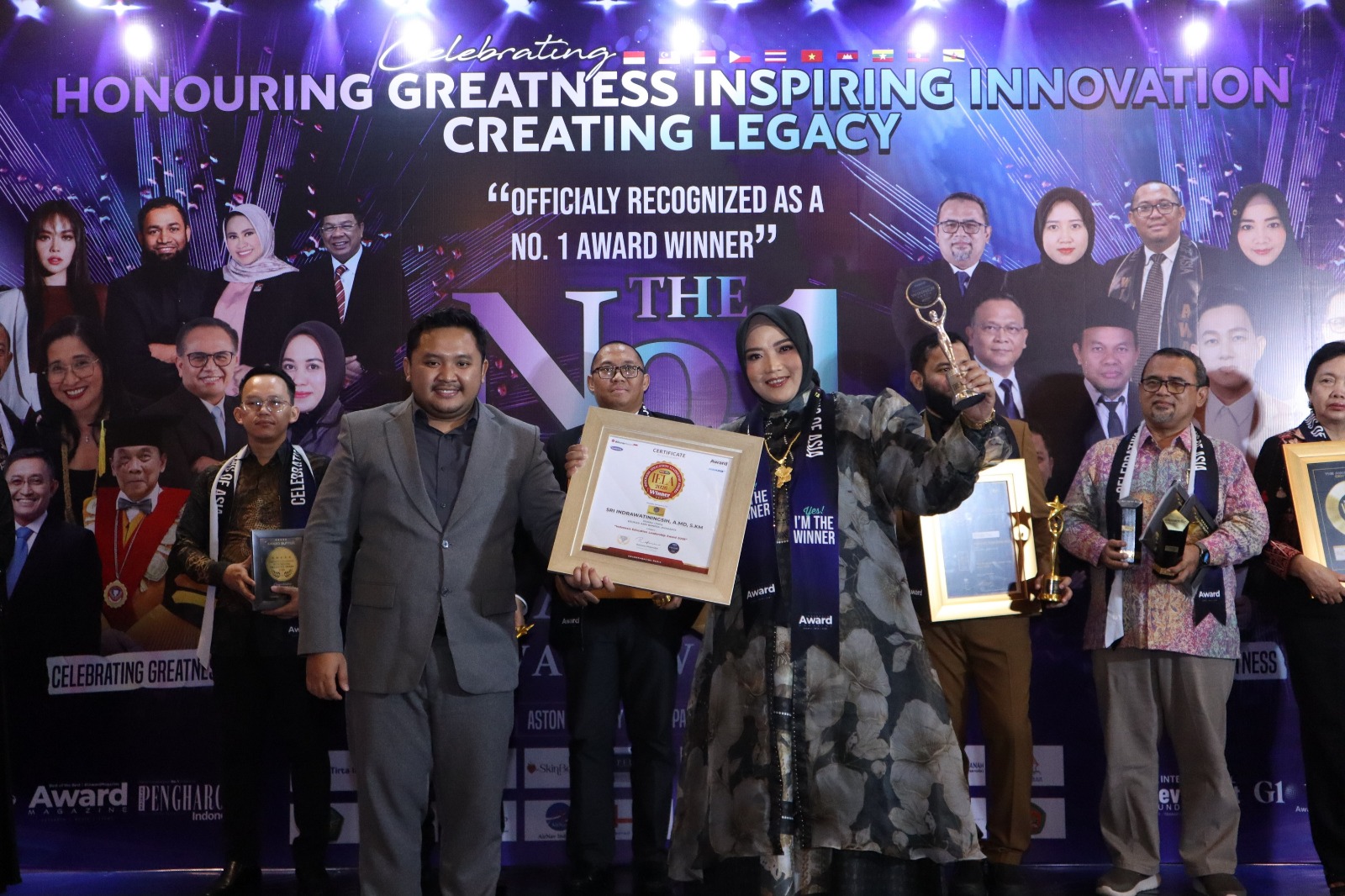
Within this evolving landscape, Sri Indrawatiningsih, A.Md, S.KM, President Director of Edukasi Abdi Bangsa Jakayarta, was honored with the Indonesia Education Leadership Award 2026 during the No. 1 Standard Platinum Award 2026 in Jakarta.
The award, presented by Award Magazine together with GP Rajasa Pranadewa, recognizes education leaders who demonstrate strong institutional contribution and commitment to advancing learning quality.
Globally, education institutions are no longer viewed solely as academic providers, but as strategic enablers of workforce readiness and social mobility. This shift places greater responsibility on educational leadership to ensure relevance and impact.
As a leader in the education sector, Sri Indrawatiningsih is associated with efforts to strengthen structured learning programs aimed at improving competencies and supporting human resource development.
Industry analysis shows that institutions focusing on skills-based education and practical competency development are increasingly important in addressing global workforce gaps.
Education leadership today requires a combination of strategic planning, adaptability, and a strong understanding of societal needs. Leaders must ensure that institutions remain aligned with both economic demands and human development goals.
The recognition through the Indonesia Education Leadership Award 2026 reflects the growing importance of leadership roles in shaping effective education ecosystems.
As global economies continue to evolve, education leaders like Sri Indrawatiningsih play a key role in ensuring that learning systems remain relevant, inclusive, and capable of producing competitive human capital.