
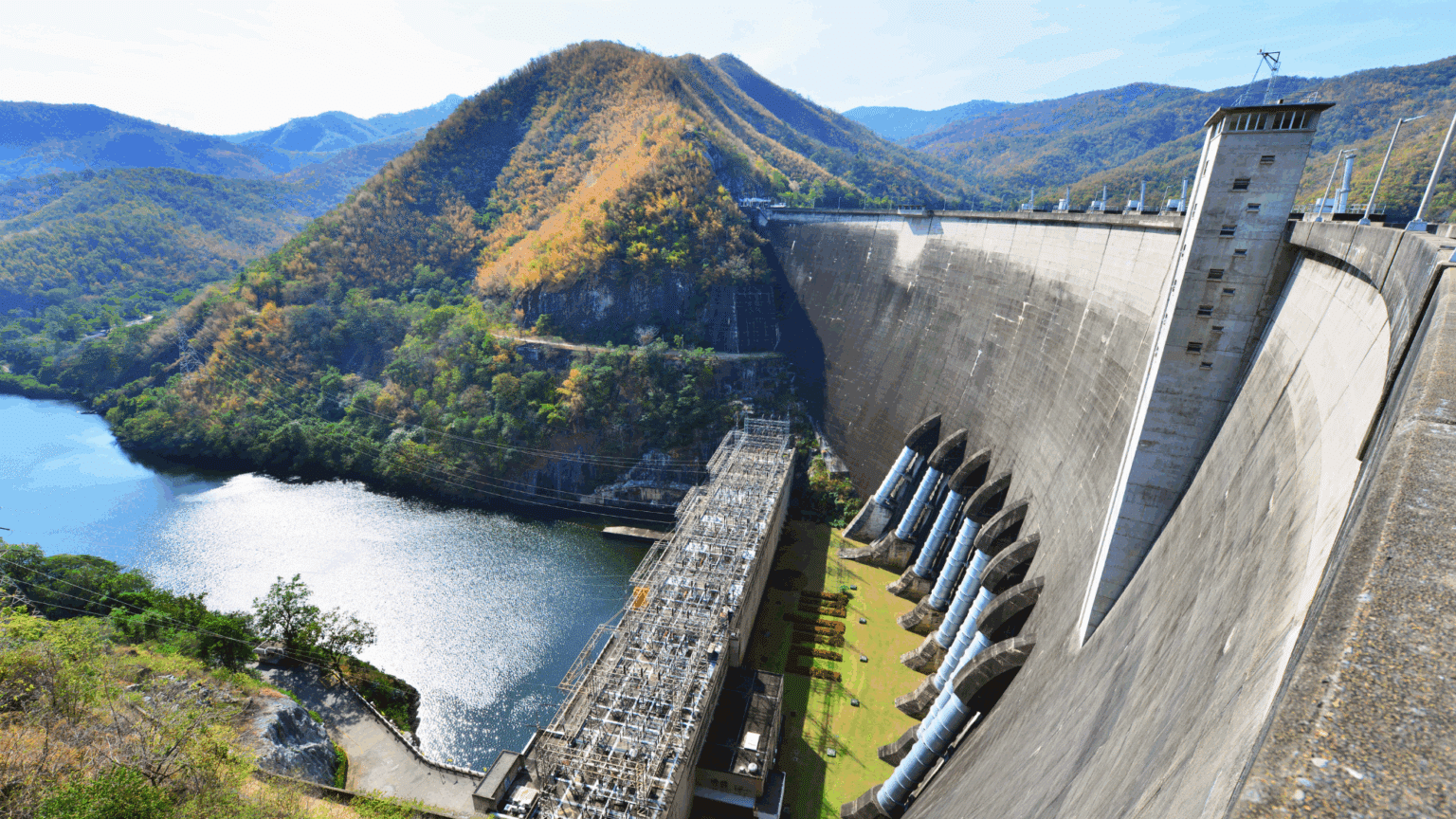
Beijing — China’s ambitious $1.2 trillion mega dam project has raised alarm across South Asia, with experts warning of potential flooding and geopolitical consequences. The scale of the project underscores Beijing’s determination to dominate regional water resources.
From a governance perspective, the dam represents both infrastructural ambition and strategic leverage. Control over transboundary rivers could give China significant influence over downstream nations, including India, Bangladesh, and Nepal.
The project’s risks are not limited to environmental concerns. Analysts caution that unilateral development without regional consultation undermines cooperative governance frameworks and threatens stability in South Asia.
Flooding scenarios have been highlighted as a major danger. If mismanaged, the dam could unleash catastrophic impacts on agriculture, livelihoods, and urban centers downstream, creating humanitarian crises.
Observers note that the mega dam is emblematic of China’s broader strategy: using infrastructure as a tool of geopolitical power. The absence of transparent governance mechanisms raises questions about accountability and long‑term sustainability.
Ultimately, the $1.2 trillion mega dam is more than an engineering feat. It is a governance challenge — testing the resilience of South Asia’s institutions, the balance of regional power, and the future of cooperative water management.