



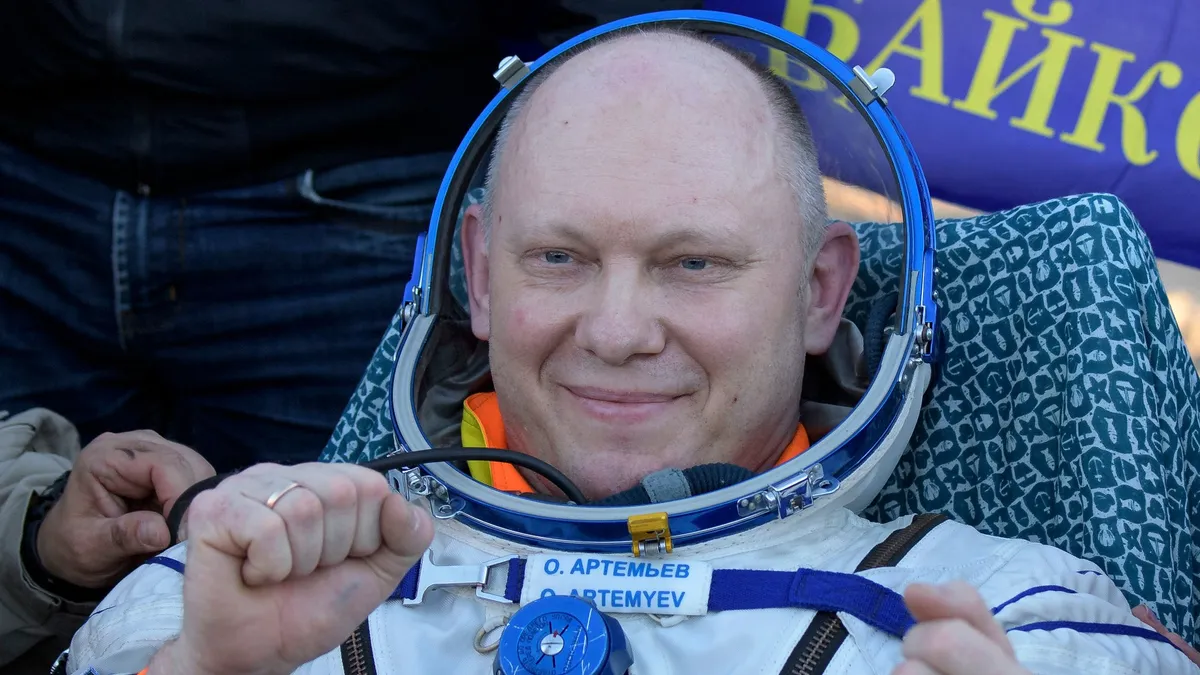
Washington — A Russian cosmonaut has been removed from SpaceX’s upcoming Crew 12 mission after alleged violations of national security rules. The incident underscores the fragile intersection of international cooperation in space exploration and the rigid boundaries of geopolitical security.
From a global business‑security analysis perspective, the removal is not simply about one astronaut. It reflects the broader tension between collaboration and control. Space missions are inherently multinational, requiring trust across borders. Yet national security concerns remind us that even in the pursuit of science, politics and regulation remain decisive forces.
Observers note that the decision could affect future partnerships between NASA, Roscosmos, and private companies like SpaceX. The balance between openness and caution is delicate: while joint missions foster innovation, they also expose vulnerabilities in technology sharing and strategic assets.
The editorial narrative emphasizes that space exploration is no longer just a scientific endeavor. It is a business enterprise, a geopolitical stage, and a security challenge. The removal of one crew member illustrates how national interests can override collective ambition, reshaping the trajectory of international cooperation.

Furthermore, the case highlights the growing role of private companies in global security. SpaceX, once seen purely as a commercial innovator, now finds itself entangled in the complexities of national defense and international diplomacy. Its missions are not only technological milestones but also tests of compliance with sensitive regulations.
Ultimately, the removal of the cosmonaut from Crew 12 is more than a personnel change. It is a global signal — that in the new era of space business, security concerns will define the limits of cooperation, reminding us that the stars may be shared, but trust must be earned.