

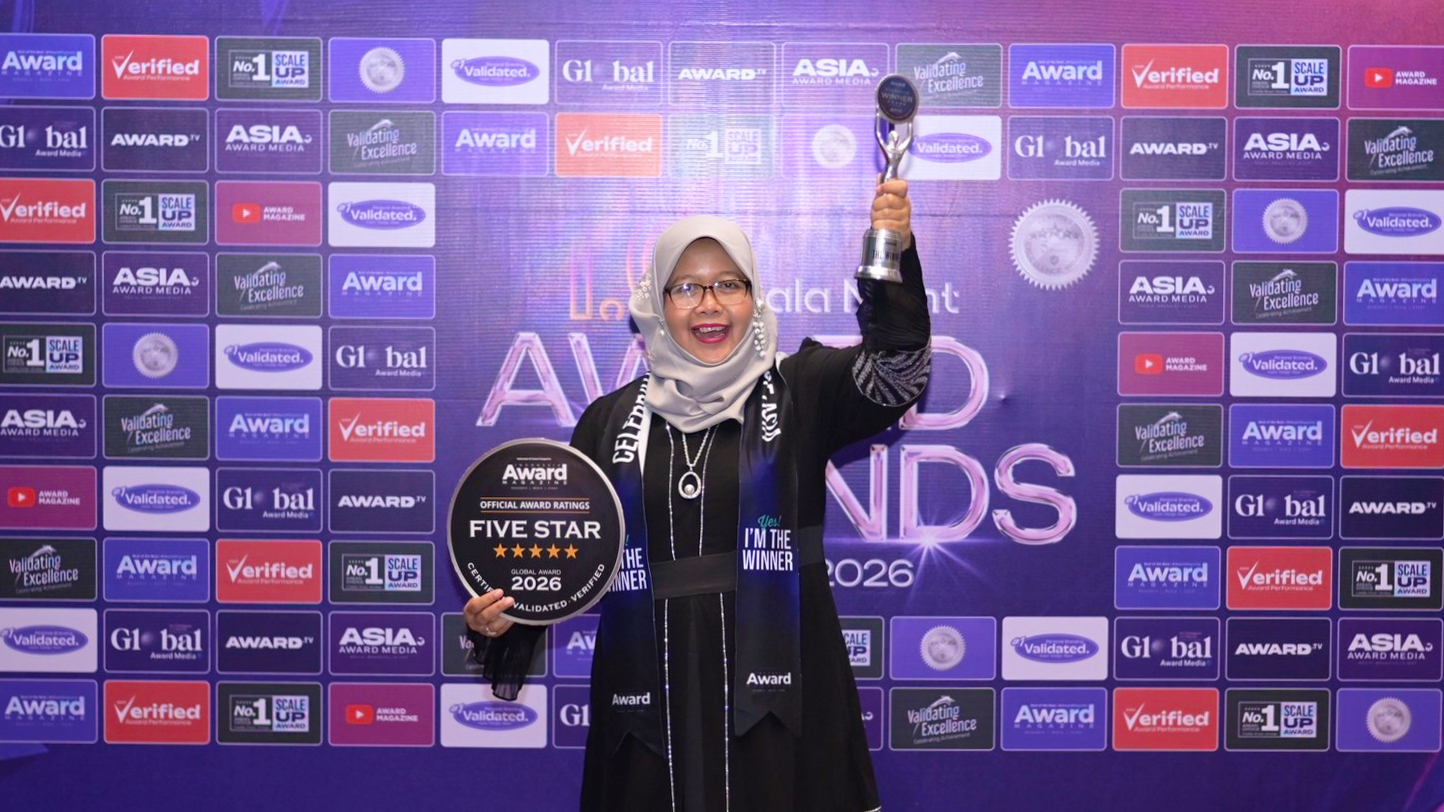
Jakarta, Indonesia — At the 2.0 Award Trends Summit 2026 in Jakarta, held on 24 January 2026 at Grand Mercure Kemayoran, Dr. dr. Hj. Yessi Rahmawati, Sp.OG., Subsp. Obginsos., M.H., M.Kes., C.M.C., FISQua received the Inspiring Professional & Leadership Award 2026. The recognition—presented by GP Rajasa Pranadewa on behalf of Award Magazine—places a public-hospital leader from Probolinggo, East Java into a wider discussion on how healthcare systems modernize not only through infrastructure, but through governance, culture, and the lived experience of patients.
As Director of RSUD Waluyo Jati (Type B public hospital) and an Obstetrics & Gynecology consultant, Dr. Yessi sits at a strategic intersection of clinical responsibility and operational leadership. That vantage point is further reinforced by her involvement in quality and governance ecosystems—serving as a KARS (Indonesian Hospital Accreditation Commission) surveyor, working as a health management consultant, and holding an international quality credential through FISQua. In global terms, leaders with this blend are increasingly central: healthcare improvement is now expected to be measurable, system-based, and sustained beyond individuals.
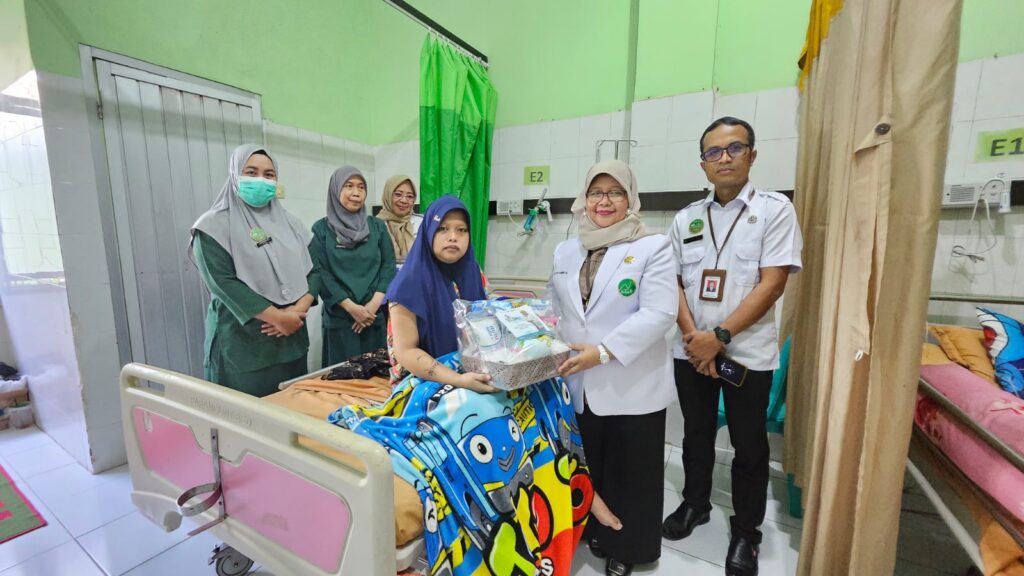
One visible expression of this approach is WJ SATIA (Waluyo Jati Sambut Tamu Istimewa Pasien dan Keluarga), a program designed to strengthen the “front door” of care. By assigning staff to welcome patients at arrival, guide them to the correct service units, explain care pathways, and assist elderly patients or those with mobility limitations, the hospital focuses on a key global trend: patient navigation and experience design. In high-volume public services, clarity and support at entry points can reduce delays, misdirection, and anxiety—often improving outcomes indirectly by improving adherence and trust.
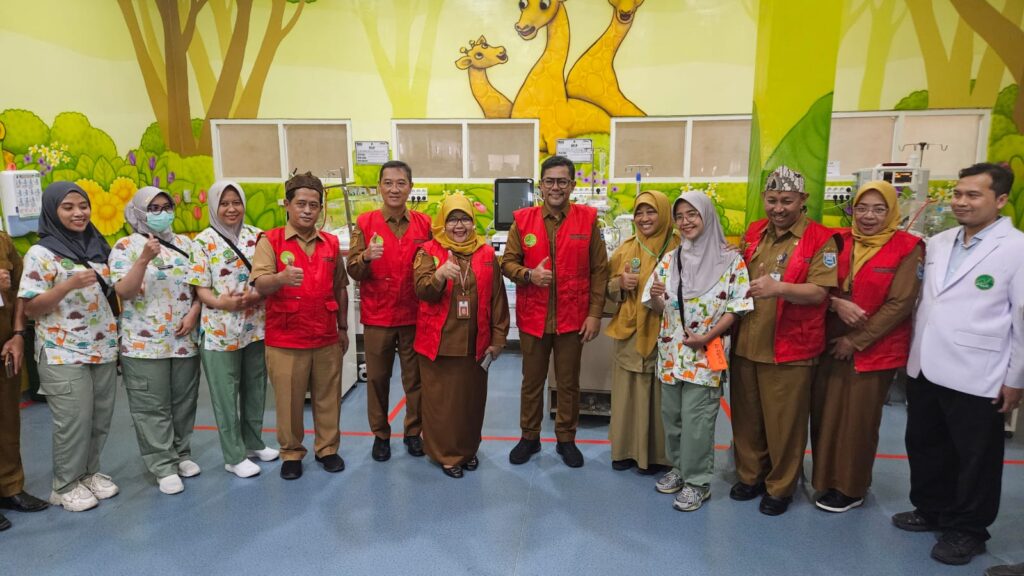
Another global pressure point is responsiveness—how quickly institutions detect issues, resolve them, and convert them into learning. RSUD Waluyo Jati’s BUNDA CARE (Complain, Apresiation, Response and Education) responds to that need through a WhatsApp-based feedback channel and direct handling inside the hospital. While messaging platforms differ by country, the direction is consistent worldwide: healthcare systems are shifting from “receive complaints” to operate closed-loop feedback, where concerns are tracked, acted upon, and used to prevent recurrence.
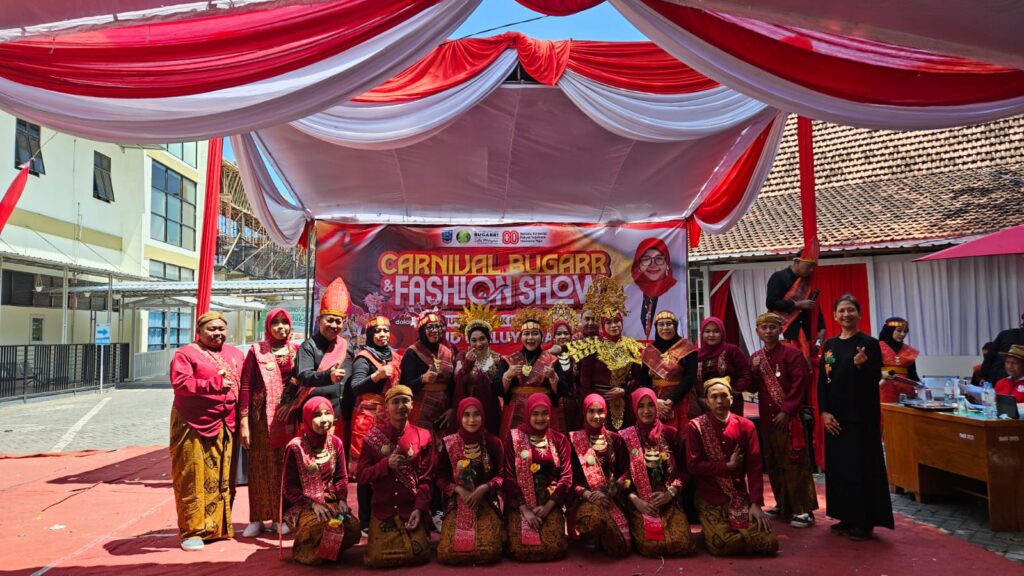
Performance transformation also depends on culture—what teams repeatedly do when no one is watching. Here, Dr. Yessi’s leadership highlights BUGARR (Bersih, Unggul, Gerak Cepat, Aman, Ramah, dan Rapi Kinerjanya), a service culture movement emphasizing cleanliness, excellence, speed, safety, warmth, and disciplined performance. Globally, many transformation programs fail when they remain technical and do not translate into everyday behaviors; culture frameworks like BUGARR act as an operational “language” that aligns teams across units and shifts.
Beyond institutional initiatives, Dr. Yessi’s profile shows a strong professional footprint across organizations and ethical bodies, including leadership roles within IDI and POGI, and involvement in other health-related associations. For international observers, this matters: the credibility of healthcare leadership often scales when it is connected to professional standards, ethics, and capability-building networks—especially in settings where public hospitals must continuously train, standardize, and evolve.
Her record of recognition reinforces continuity rather than a single moment of visibility, including Satyalancana Karya Satya X Tahun (2022) and Adi Strada Leadership (2023), alongside additional acknowledgements for innovation and leadership in public health services—culminating in this 2026 award. The storyline is not simply about accolades, but about a sustained pattern: improving service systems, strengthening feedback mechanisms, and anchoring quality in routine behaviors.
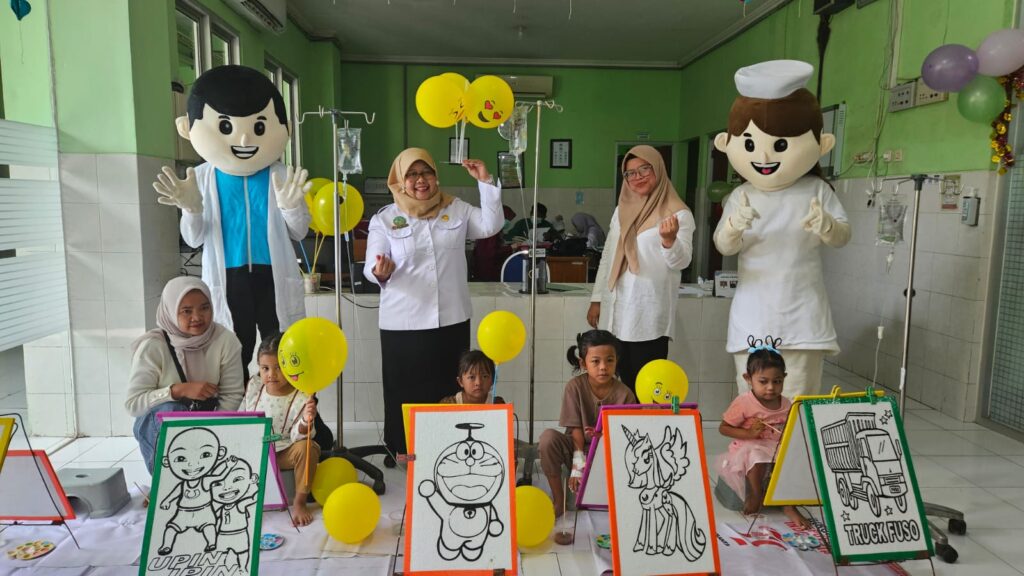
In an era of rising demand, tighter public budgets, and higher expectations for transparency, the RSUD Waluyo Jati case offers a globally relatable lesson: transformation does not always begin with expensive overhauls—it can begin with how patients are welcomed, how feedback is handled, and how culture is operationalized. Dr. Yessi’s recognition at the Award Trends Summit 2026 signals that leadership in public healthcare can be both locally grounded and globally legible—measured through service design, accountability, and a consistent commitment to human-centered care.
Social Media: Facebook: Yessi Dokter Obsgyn | Instagram: @yessi_dokter_obsgyn