


Phong Nha-Ke Bang wins two World Travel Awards 2026, highlighting Vietnam’s growing nature tourism profile and the global shift toward sustainable destinations.
The global tourism industry is undergoing a significant transformation as travellers increasingly seek experiences built around nature, heritage and authenticity. Against this backdrop, international recognition for destinations with strong environmental and cultural assets is becoming an increasingly important component of destination positioning.
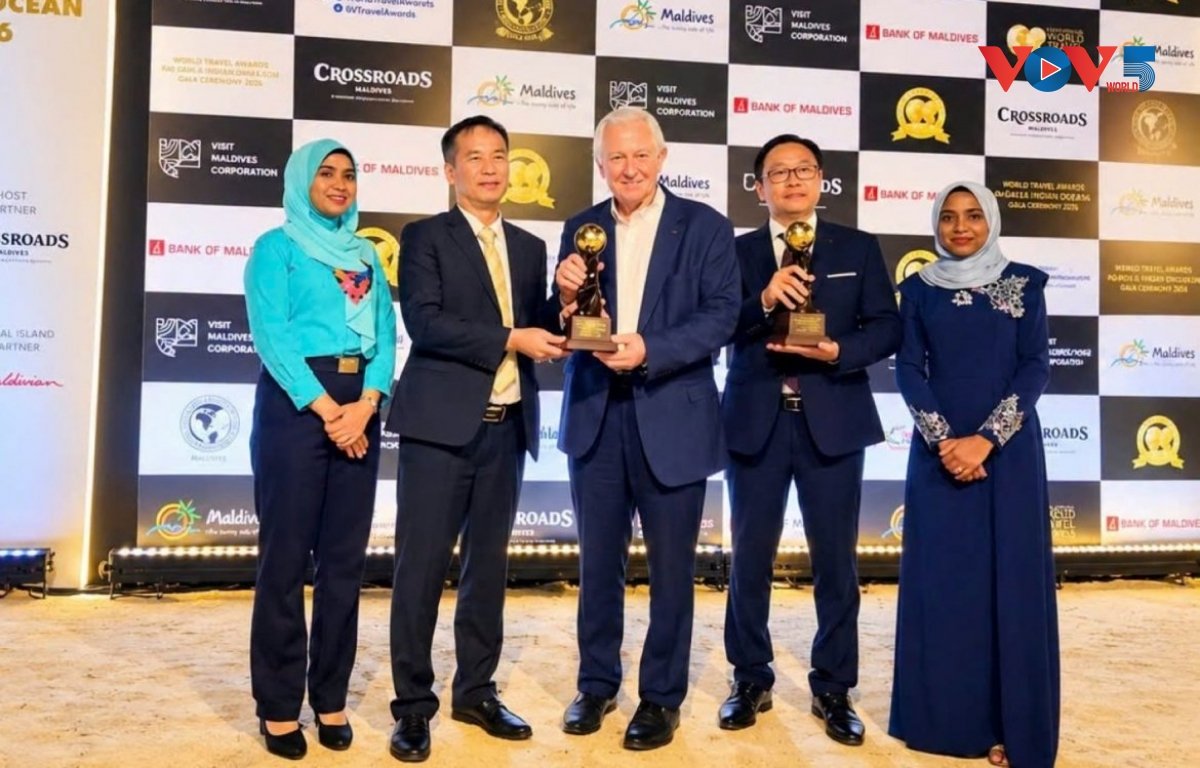
Phong Nha-Ke Bang National Park in Vietnam has strengthened its international profile with two awards at the World Travel Awards 2026. At the regional ceremony held in the Maldives on September 27, the destination was named Asia’s Leading National Park 2026 and Vietnam’s Leading Nature Destination 2026.
The recognition comes at an important moment for the global tourism industry. Destinations are no longer competing solely on accommodation capacity, infrastructure or conventional sightseeing attractions. Increasing attention is being placed on distinctive landscapes, environmental credentials, cultural heritage and the quality of visitor experiences.
Phong Nha-Ke Bang is particularly suited to this changing tourism landscape. The national park is characterised by extensive limestone karst formations, caves, underground rivers, tropical forests and rich biodiversity. Its natural assets provide the foundation for adventure tourism, ecological tourism and specialised nature-based experiences.
Among its best-known attractions are Phong Nha Cave, Paradise Cave, Hang En and Son Doong, one of the world’s most recognised cave destinations. These assets give the region a distinctive tourism proposition that cannot easily be replicated elsewhere.
But the commercial value of Phong Nha-Ke Bang is inseparable from its conservation value. The area is part of a UNESCO World Heritage property, while its wider heritage landscape has developed a significant cross-border dimension following the inclusion of Hin Nam No National Park in Laos in the extended World Heritage property in 2025.
The Vietnam-Laos connection is particularly relevant to the future of regional tourism. The two protected areas form a transboundary landscape that demonstrates how natural heritage can extend beyond national borders. Such a framework creates opportunities for coordinated conservation, tourism planning and destination development while reinforcing the broader value of the Vietnam-Laos border region.
International recognition can also support a destination’s marketing strategy. During the World Travel Awards event, representatives of Phong Nha-Ke Bang used the international platform to promote the area’s heritage values, tourism products and natural attractions to international media and tourism stakeholders.
The delegation also engaged with international tourism organisations and businesses, including World Travel Awards founder Graham Cooke and representatives connected with the Maldives tourism sector. Discussions covered destination promotion, market connectivity, experience sharing and potential cooperation.
For the tourism industry, this illustrates an important shift. Awards are increasingly valuable when they become part of a broader destination-development strategy. International recognition can strengthen awareness, but its long-term economic value depends on whether a destination can translate visibility into visitor interest, market partnerships, quality experiences and sustainable tourism products.
The sustainability question is particularly important for nature-based destinations. Greater international visibility can bring more visitors, investment and business opportunities, but unmanaged growth may also place pressure on ecosystems. Tourism authorities therefore face the challenge of increasing economic value while protecting the natural assets that attract visitors in the first place.
Phong Nha-Ke Bang’s management has emphasised this responsibility. Following the latest awards, park officials described the recognition not only as an honour but also as a greater responsibility to strengthen conservation and protect the site’s heritage values.
This approach reflects a wider trend across the international tourism industry. The most resilient nature destinations are increasingly expected to combine visitor growth with environmental management, community participation, responsible infrastructure and long-term conservation.
Vietnam’s broader tourism performance also provides context. At the 2026 World Travel Awards regional ceremony, Vietnam received several major recognitions, including Asia’s Leading Destination and Asia’s Leading Heritage Destination. This places Phong Nha-Ke Bang’s achievement within a wider national effort to strengthen Vietnam’s international tourism positioning.
For international tourism markets, the implications extend beyond Vietnam. The success of destinations such as Phong Nha-Ke Bang demonstrates the growing commercial potential of natural and heritage tourism in Asia. It also highlights how protected landscapes can become economic assets when their value is developed without compromising their ecological foundations.
The next phase will therefore be less about simply attracting global attention and more about converting recognition into sustainable growth. That means strengthening international partnerships, developing high-quality tourism experiences, improving connectivity, managing visitor pressure and ensuring that local communities can participate in the benefits of tourism.
Phong Nha-Ke Bang’s two World Travel Awards in 2026 offer a timely example of where the tourism industry may be heading: toward destinations where reputation is built not only through promotion, but through the combination of natural heritage, responsible management, distinctive experiences and long-term sustainability.