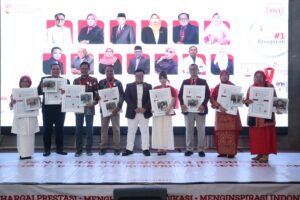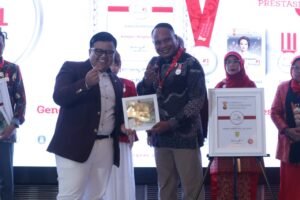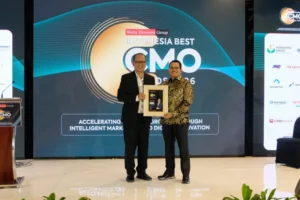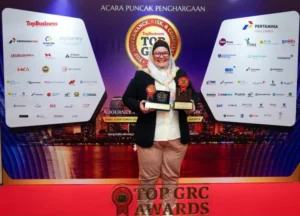


The Prestige Circle of Excellence 2026 in Surabaya highlights the growing role of recognition in strengthening leadership, professional reputation, business development, and institutional credibility.
SURABAYA – Professional achievement is increasingly measured not only by what individuals and organizations accomplish, but also by how those achievements contribute to long-term credibility. In a competitive business environment, performance, leadership, consistency, and reputation have become closely connected.
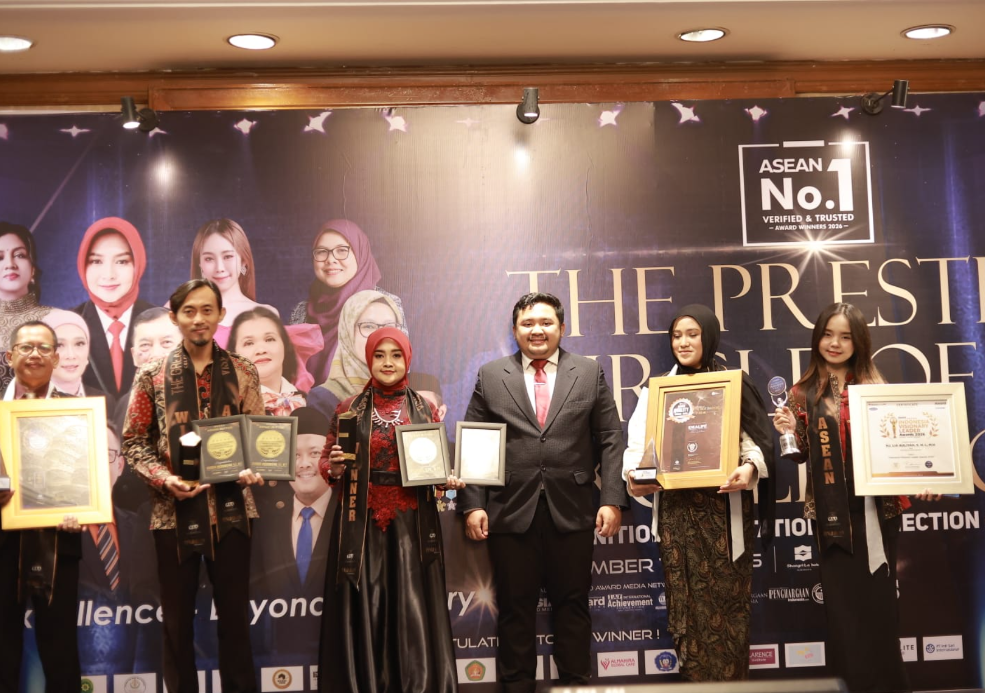
That perspective was reflected at The Prestige Circle of Excellence, an awards evening organized by Award Magazine on September 12, 2026, at Shangri-La Surabaya. The event brought together entrepreneurs, executives, bureaucrats, professionals, educators, directors, and organizational leaders representing different areas of professional activity.
Initiated by GP Rajasa Pranadewa, the event was designed around a broader understanding of excellence. Rather than treating recognition simply as a ceremonial conclusion to an achievement, the occasion positioned recognition as part of a longer professional and institutional journey.
The underlying idea is particularly relevant in an environment where reputation can influence stakeholder confidence. For companies and institutions, credibility may affect relationships with customers, business partners, employees, investors, and other stakeholders. For individual professionals, reputation can similarly influence trust, positioning, and future opportunities.
GP Rajasa Pranadewa described achievement as the beginning of that process.

“Achievement is only the beginning. When achievement receives the right recognition, its value can grow into reputation and trust. We created The Prestige Circle of Excellence to celebrate that journey,” said GP Rajasa Pranadewa.
The perspective places recognition within a wider framework of professional development. An award can acknowledge an existing achievement, while the reputation associated with that recognition depends on the recipient’s ability to maintain performance and continue delivering meaningful contributions.
The recipients at The Prestige Circle of Excellence came from a variety of sectors. Business leaders represented organizational growth and strategic development. Executives and directors brought experiences in decision-making and management, while professionals demonstrated their commitment to quality and service standards.
The presence of educators and public-sector figures further broadened the scope of the event. Their contributions illustrate that excellence cannot be defined solely through commercial performance. Institutional improvement, human-resource development, public service, and professional contribution can also form important elements of achievement.
This cross-sector composition created an opportunity for a wider exchange of professional perspectives. Different industries face different challenges, yet leadership, adaptability, accountability, and consistency remain relevant across organizational environments.
Networking was therefore an important component of the gathering. Bringing professionals from different backgrounds into the same setting can create opportunities to exchange experiences, establish relationships, and identify potential areas for future collaboration.
From a business-development perspective, these interactions can be valuable because new opportunities often emerge from connections between people with different capabilities and networks. Recognition events can consequently serve not only as platforms for celebration but also as meeting points within a broader professional ecosystem.
Award Magazine’s approach also reflects the changing role of personal and institutional branding. Recognition can support positioning when it is connected to a verifiable professional track record and communicated appropriately. However, branding cannot substitute for actual performance.
Long-term credibility remains dependent on consistency. A single achievement may generate attention, but sustained quality is what allows that attention to develop into trust.
This distinction is increasingly important as professional audiences become more selective about claims of excellence. Reputation is strengthened when recognition is supported by a history of performance, leadership, contribution, and the ability to deliver results over time.
The setting at Shangri-La Surabaya provided an appropriate environment for the formal celebration. Recipients were able to mark their achievements alongside colleagues, teams, families, and others who had supported their journeys.
The location also reinforced the broader significance of Surabaya as an economic and business center in Indonesia. Bringing professionals from different regions and sectors into the city created another layer of connectivity within the event.
For the wider business community, the significance of such a gathering lies not simply in the awards presented, but in the conversations and relationships that can develop around them. Professional ecosystems grow when recognition, knowledge exchange, and collaboration are brought together.
The Prestige Circle of Excellence ultimately underlines a simple principle: recognition has value when it reflects genuine achievement and becomes part of a continuing commitment to excellence.
The September 12 event therefore represented more than an evening of awards. It brought together different professional journeys while highlighting the relationship between performance, credibility, leadership, and reputation.
In an increasingly connected business environment, the lesson is straightforward: achievement may create recognition, but sustained performance is what turns recognition into lasting reputation.