


Momin Tomanussa Receives Anugerah Prestasi Indonesia 2026 | Educational Leadership in South Buru
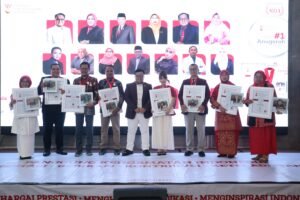
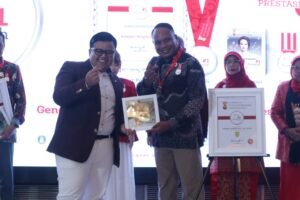
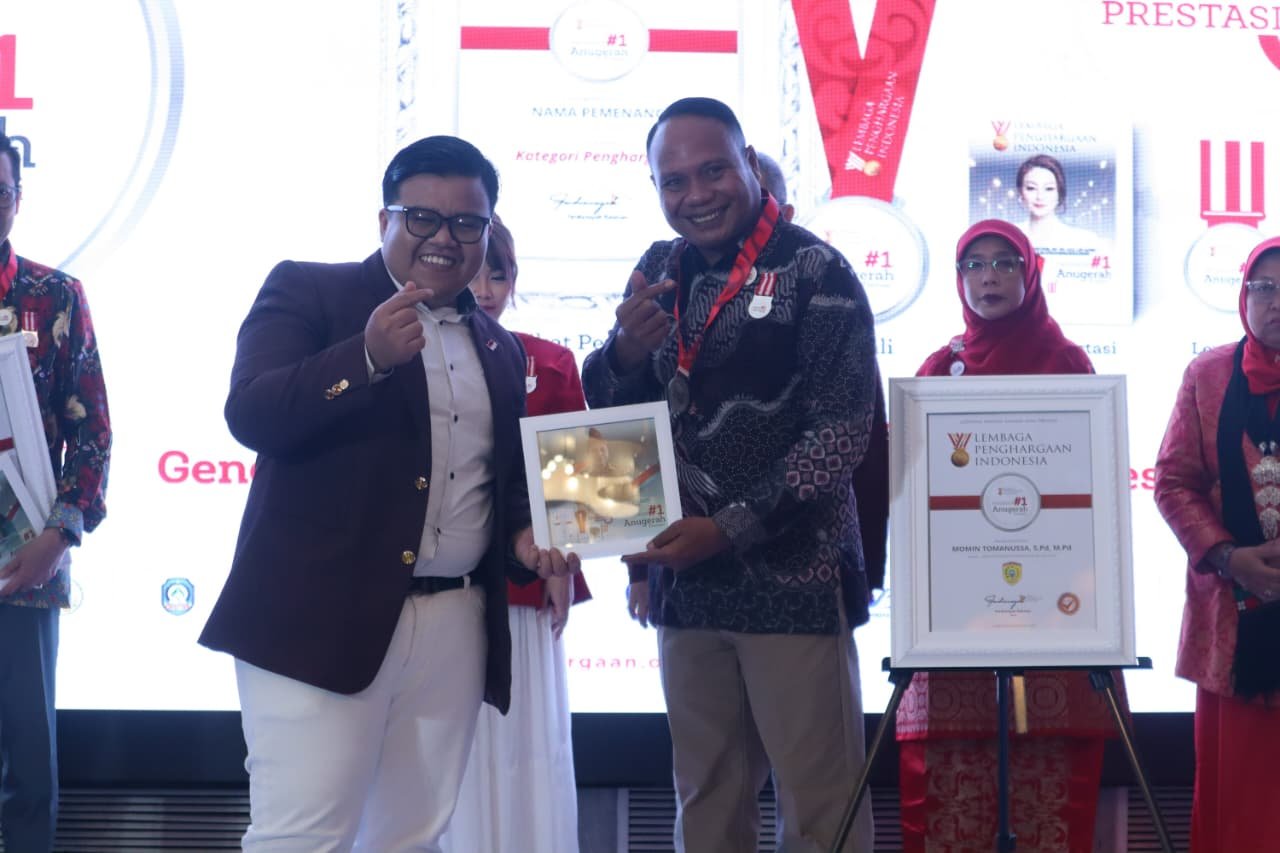
Momin Tomanussa, S.Pd., M.Pd., Head of the South Buru Regency Education Office, receives Anugerah Prestasi Indonesia 2026 in Jakarta, highlighting educational leadership, equitable access, and regional human capital development.
Local Educational Leadership in an Increasingly Connected World
JAKARTA, INDONESIA — Across the world, education systems are facing a common challenge: how to ensure that every child has access to meaningful learning opportunities, regardless of geography, economic circumstances, or the availability of public infrastructure.
While international education discussions frequently focus on technological innovation, artificial intelligence, and future workforce development, the fundamental question of equitable access remains particularly important for remote and geographically dispersed communities.

In Indonesia’s eastern province of Maluku, this challenge forms part of the public service responsibilities of regional education authorities.
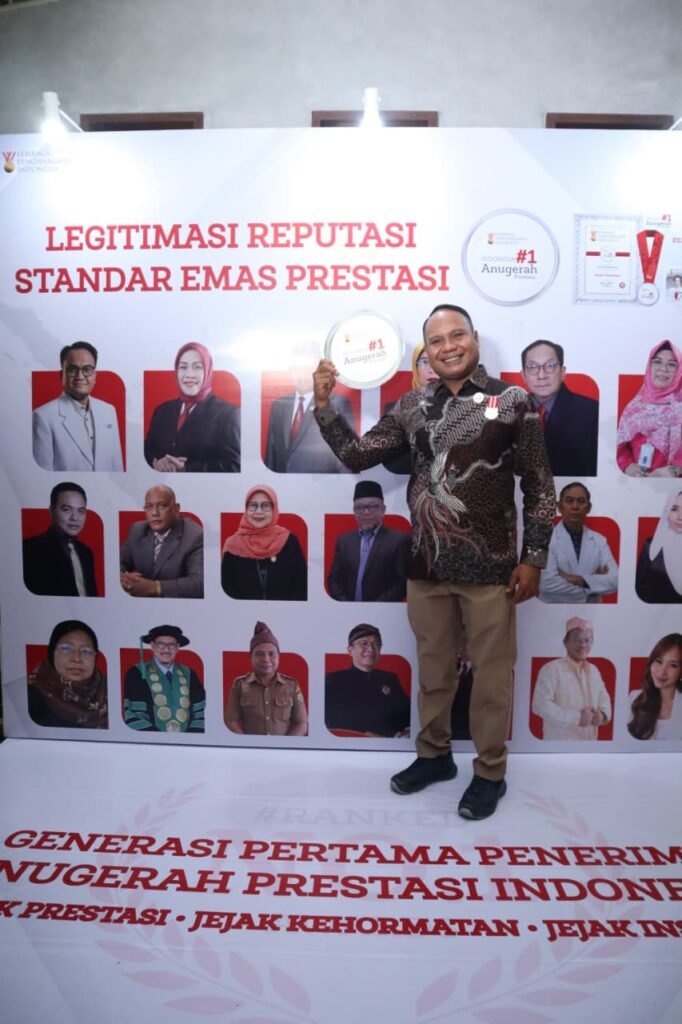
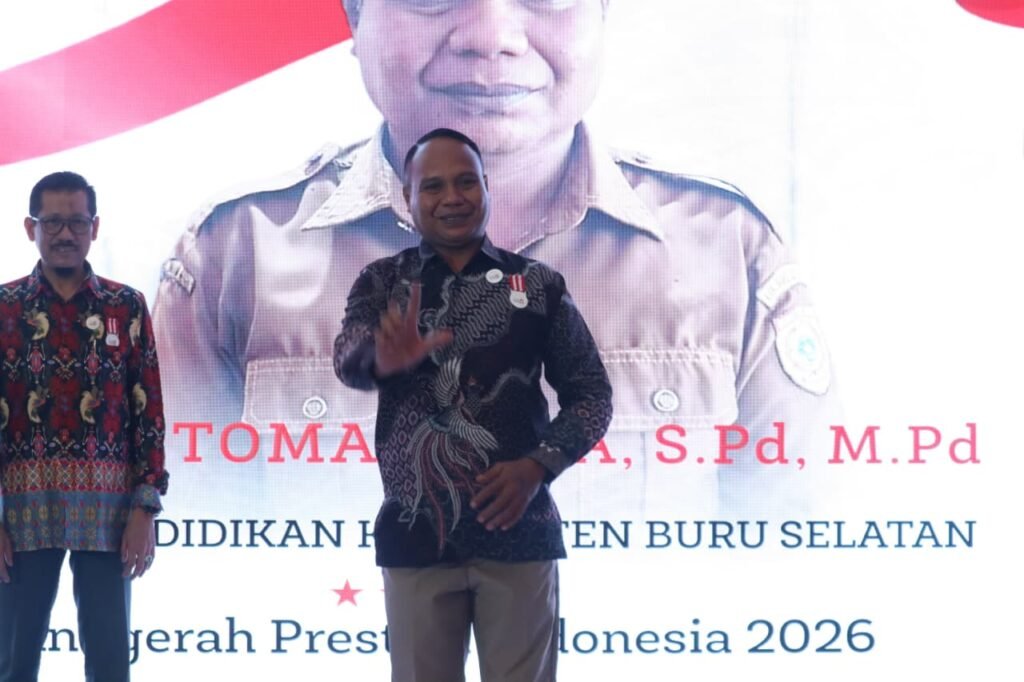
Among the officials working within this environment is Momin Tomanussa, S.Pd., M.Pd., Head of the Education Office of South Buru Regency, whose professional role has received recognition through Anugerah Prestasi Indonesia 2026, also known as the Indonesia Achievement Award.
The recognition was conferred through an award program organized by Lembaga Penghargaan Indonesia (LPI), under the leadership of Ferdiansyah Rahman, with the award ceremony taking place on Saturday, October 24, 2026, at Mercure Simatupang Hotel in Jakarta.
For South Buru, the recognition provides an opportunity to examine how regional educational leadership relates to wider international discussions about public administration, learning equity, and sustainable human development.
The Geography of Education: Why Location Still Matters
Indonesia is one of the world’s largest archipelagic countries, with communities distributed across an extensive geographical area.
This creates distinctive challenges for public service delivery, particularly in sectors that depend on physical infrastructure and consistent institutional support.
Education is among the most important of these sectors.
Schools require qualified teachers, learning materials, safe facilities, administrative support, and effective communication with education authorities.
In remote and island communities, providing these resources may involve additional transportation, logistical, and coordination challenges.
South Buru Regency, located in Maluku Province, operates within this broader geographical context.
For regional education administrators, understanding the different circumstances of schools is essential to effective planning.
A school located near an administrative center may have different operational requirements from one situated in a less accessible community.
This means that education policy cannot always rely on uniform implementation methods.
Instead, authorities need accurate information about local conditions and the flexibility to respond to varying needs.
School Supervision as a Tool for Educational Improvement
One of the professional activities associated with Momin Tomanussa is the supervision of educational institutions.
In September 2026, local reporting documented supervisory activities conducted by Momin and members of the South Buru education administration in Waesama and Ambalau districts.
The activities involved relevant education personnel and focused on reviewing school conditions and the implementation of educational programs.
From an international public administration perspective, school supervision serves an important function in connecting policy objectives with operational realities.
Education authorities may establish standards and programs at the administrative level, but their effectiveness ultimately depends on implementation within individual schools.
Direct supervision allows officials to observe conditions, identify difficulties, and communicate with those responsible for delivering educational services.
However, effective supervision should extend beyond inspection.
Its value increases when observations are translated into appropriate follow-up measures, targeted support, and continuous institutional improvement.
For education systems serving geographically diverse communities, this connection between field information and policy response is particularly important.
Protecting Learning Continuity as a Public Responsibility
Education is not only a development priority; access to education is also recognized as a fundamental human right.
The international framework for inclusive education emphasizes the importance of ensuring that children can participate in learning without unnecessary barriers.
At the local level, protecting this principle often requires public officials to respond to practical problems that disrupt school operations.
In August 2026, Momin Tomanussa was reported to have expressed concern regarding an incident involving the obstruction of access to a school.
The situation raised the possibility of disruption to teaching and learning activities.
According to local reporting, he emphasized that disputes should be addressed through appropriate mechanisms without compromising students’ educational opportunities.
The issue illustrates the relationship between public administration and the protection of children’s interests.
When access to a school is interrupted, the consequences can extend beyond a temporary change in schedules.
Students may experience learning disruption, families may face additional uncertainty, and teachers may find it difficult to maintain continuity.
For education authorities, ensuring that disputes do not unnecessarily interfere with children’s learning is therefore an important part of responsible governance.
Educational Equity and the Global Development Agenda
The challenges faced by regional education systems are closely connected to international development priorities.
The United Nations Sustainable Development Goal 4 calls for inclusive and equitable quality education and lifelong learning opportunities for all.
Achieving this objective requires more than increasing school enrollment.
Education systems must also address learning quality, teacher support, infrastructure, inclusion, and the needs of disadvantaged communities.
For countries with extensive geographical diversity, local government capacity plays a crucial role.
National strategies establish policy direction, but regional institutions are responsible for implementing many of the services that communities experience directly.
In this context, education leadership in places such as South Buru is relevant to a wider global conversation.
The effectiveness of educational development depends on the ability of public institutions to reach communities that may be geographically distant from national decision-making centers.
Human Capital Development and Regional Economic Resilience
Education is closely connected to long-term economic development.
A population with stronger foundational learning, practical skills, and access to continuing education is better positioned to participate in changing labor markets.
For regional economies, investment in education can support workforce readiness, entrepreneurship, social mobility, and the capacity to adapt to technological change.
However, these outcomes depend on sustained improvements in educational quality.
Simply expanding administrative programs does not automatically produce stronger learning results.
Education authorities must consider teacher development, student participation, school management, and the effective allocation of available resources.
In South Buru, the broader importance of education lies in preparing younger generations to contribute to their communities while gaining the capabilities needed to participate in wider economic opportunities.
Regional educational leadership therefore has implications that extend beyond the classroom.
It forms part of the foundation for long-term social and economic resilience.
Digital Transformation and the Risk of Unequal Access
Technology is transforming education systems around the world.
Digital learning platforms, electronic school administration, data management systems, and communication tools offer opportunities to improve efficiency and access to information.
For regional education offices, digital systems can support school monitoring, administrative coordination, and the identification of service needs.
Yet technological transformation also presents challenges.
Communities with limited connectivity, inadequate equipment, or insufficient digital training may struggle to benefit from technology-based programs.
Without careful implementation, digital initiatives can reinforce existing inequalities.
This makes inclusive planning essential.
Education authorities need to consider infrastructure readiness, teacher capabilities, technical support, and the practical circumstances of individual schools.
For South Buru, digital transformation represents a potential opportunity to strengthen educational management, provided that implementation responds to local conditions.
Such opportunities should not be confused with confirmed achievements or specific programs unless supported by verified implementation data.
Public Sector Leadership and Institutional Accountability
The responsibilities of an education office leader extend beyond managing administrative procedures.
Effective leadership requires coordination among schools, teachers, supervisory personnel, local government institutions, and communities.
It also requires a balance between policy compliance and responsiveness to actual educational needs.
Momin Tomanussa’s academic qualifications in education provide a relevant professional foundation for his responsibilities.
Nevertheless, educational leadership must ultimately be assessed through institutional performance and service outcomes.
Public accountability requires clear planning, appropriate use of resources, transparent procedures, and the ability to evaluate whether programs are producing intended benefits.
For regional education authorities, reliable information is particularly important.
Data concerning school participation, staffing, facilities, and learning outcomes can help identify disparities and guide improvement efforts.
The challenge is not merely collecting information, but ensuring that it informs practical decisions.
Recognition and the Meaning of Professional Achievement
The Anugerah Prestasi Indonesia 2026 recognition awarded to Momin Tomanussa provides a moment of professional acknowledgment within Indonesia’s public service landscape.
The program, organized by Lembaga Penghargaan Indonesia, recognizes individuals and institutions from different professional fields.
For Momin, the recognition draws attention to his role in educational administration in South Buru Regency.
It also provides a platform for highlighting the importance of local public officials in addressing development challenges.
However, recognition by an awarding institution should be distinguished from an independent assessment of educational outcomes or a formal government performance audit.
The quality of educational administration requires evaluation using verifiable indicators, including access, learning conditions, service effectiveness, and institutional accountability.
Professional recognition may contribute to visibility, while lasting public value depends on continued performance.
Lessons for Education Systems Beyond Indonesia
The experience of regional educational administration in South Buru offers broader lessons for countries managing geographical and socioeconomic differences.
First, policy implementation must be informed by local conditions.
Second, school supervision is most useful when it leads to practical improvement.
Third, protecting learning continuity should remain a priority when administrative or community disputes arise.
Fourth, digital transformation needs to be inclusive and adapted to infrastructure realities.
Finally, education development requires coordination across institutions rather than dependence on individual leadership alone.
These principles are relevant not only to Indonesia but also to education systems in other parts of Southeast Asia and the wider world.
From Regional Public Service to National Recognition
Momin Tomanussa’s recognition through Anugerah Prestasi Indonesia 2026 brings attention to the importance of educational leadership in communities outside Indonesia’s principal metropolitan areas.
His reported involvement in school supervision and attention to learning access illustrate areas of responsibility that are central to local education administration.
For South Buru Regency, the broader priority remains the continued development of accessible and effective educational services.
For the international education community, the story reinforces a fundamental principle: global educational progress depends on the ability of local institutions to serve children in their own communities.
The true measure of educational leadership is not the visibility of an award, but the lasting capacity of public institutions to protect learning opportunities, reduce disparities, and help every generation build a better future.
As governments continue working toward more inclusive education systems, the responsibilities carried by regional leaders such as Momin Tomanussa remain an essential part of the wider effort to connect educational policy with meaningful public service.