


Indonesia is reviewing more than 100 nominations for state service medals and honors, reflecting a structured approach to recognizing contributions across culture, healthcare and other fields.
Indonesia is reviewing more than 100 proposed names for state service medals and honorary distinctions, opening a broader discussion about how governments formally recognize contributions made across different sectors of society.
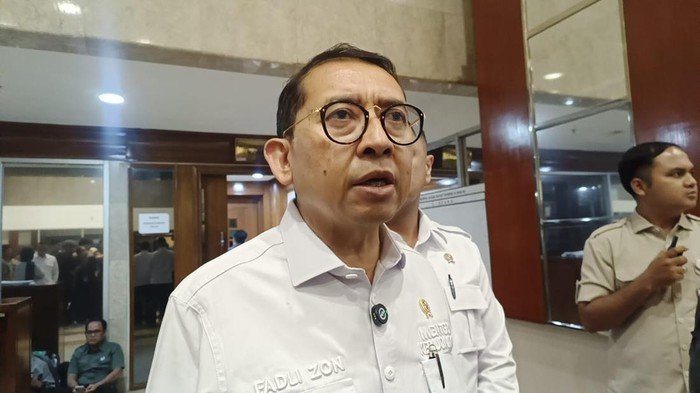
The figure was disclosed by Culture Minister Fadli Zon after he reported nominations to President Prabowo Subianto during a meeting in Hambalang, Bogor, on September 1, 2026. Fadli attended the meeting in his capacity as Chairman of the Council for Titles, Services and Honors. The proposals originated from ministries, government institutions and members of the public.
The proposed nominees come from a wide range of backgrounds. Fadli said the recommendations include figures from the arts and cultural sectors, medical fields and other areas, including individuals associated with particular public-service or task-force activities. The diversity of the nominations reflects the range of activities that can contribute to society beyond conventional public-sector roles.

However, the figure of more than 100 should not be interpreted as a final number of recipients. The names remain part of an ongoing proposal and review process. According to the government, the report submitted to the President will become material for consideration before any decision is made in accordance with applicable laws and regulations.
A Structured Recognition Framework
Indonesia’s system for state titles, service medals and honorary distinctions operates within a formal legal framework. Law No. 20 of 2009 regulates the categories, nomination procedures, rights and obligations associated with state recognition, while Government Regulation No. 1 of 2010 provides additional institutional provisions.
The Council for Titles, Services and Honors has a defined role within that framework. The institution is tasked with examining, discussing and verifying proposals, as well as providing considerations to the President concerning the granting or revocation of service medals and honors.
This structure is significant because formal recognition involves more than identifying individuals who have become publicly prominent. The legal framework places emphasis on service and contribution, creating an institutional mechanism through which nominations can be reviewed before a final state decision is taken.
Recognition Across Different Sectors
The current proposal also illustrates how public contribution can emerge from increasingly diverse areas of national life. Culture, healthcare, public service and other professional fields can each generate forms of contribution that become relevant to national recognition.
For industries and professional communities, formal recognition can also become a record of how particular forms of service are viewed within the broader national context. In this sense, state honors can function not only as ceremonial distinctions but also as institutional acknowledgments of contributions that have had a wider social impact.
At the same time, the review process underscores the importance of maintaining a distinction between public recognition and formal state designation. A nomination represents a recommendation for consideration, while an award becomes official only after the prescribed institutional and legal process has been completed.
A Broader Governance Perspective
The development comes at a time when governments around the world continue to consider how institutions can recognize contributions from increasingly diverse professional and civic communities. Indonesia’s current process provides a domestic example of how such recognition can be incorporated into a formal governance framework.
The more than 100 nominations now under consideration therefore represent not only a list of proposed names but also a broad range of contributions being brought into an established institutional process. Their eventual status will depend on further examination and the decisions taken under the applicable legal framework.
For international observers, the development offers insight into Indonesia’s approach to state recognition: one that combines public nominations, institutional review and presidential decision-making within a framework established by national law.
The process also demonstrates why the credibility of state honors depends on the procedures surrounding them as much as on the ceremony itself. As the current nominations move through the relevant stages, the distinction between proposal, review and final decision remains central to understanding the development.